
Why the founders of a Peak District running event started making sporks from Sheffield steel.
Words by Tom Owen. Photos by Luke Douglas and Stefan Amato.
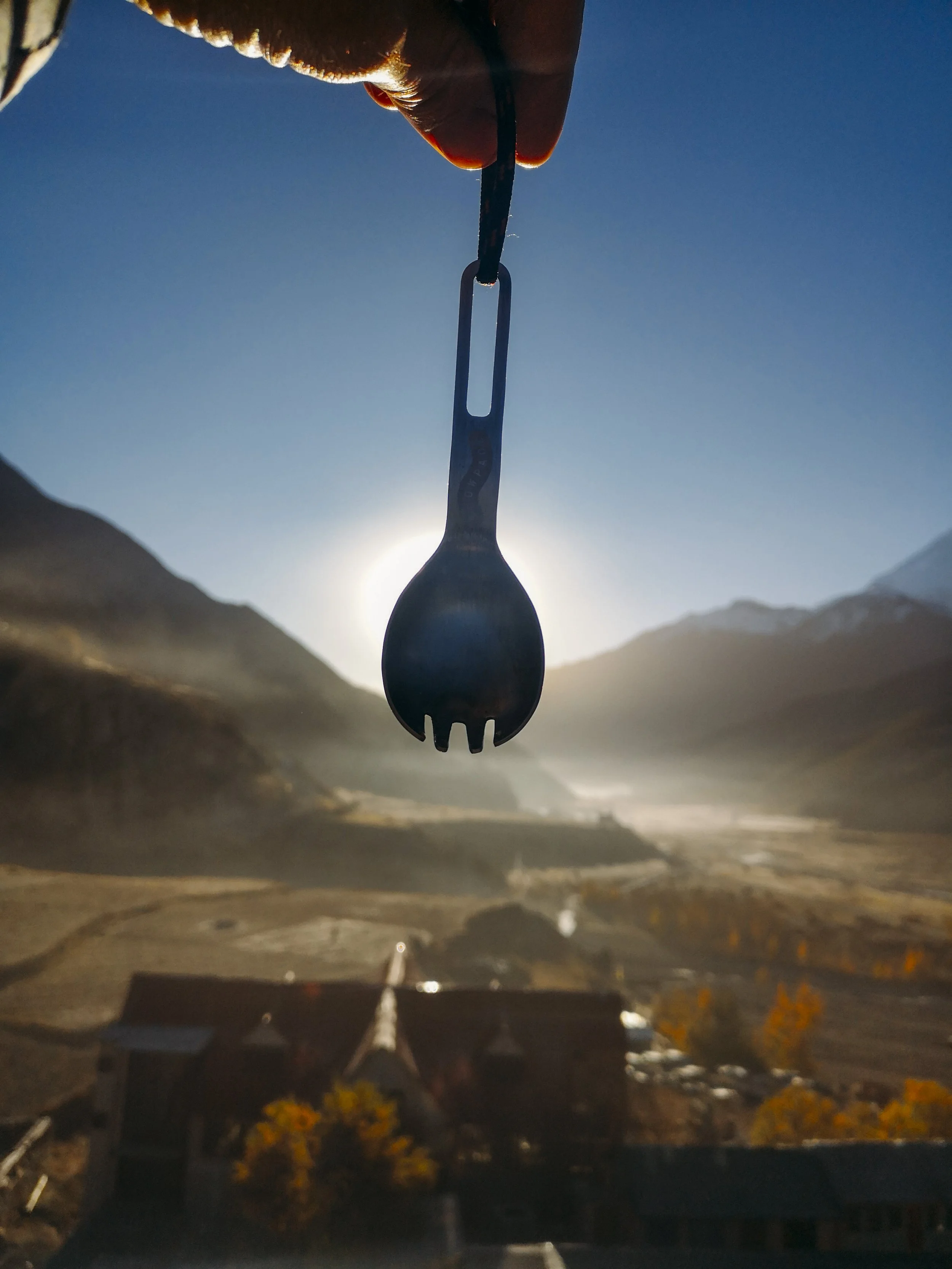
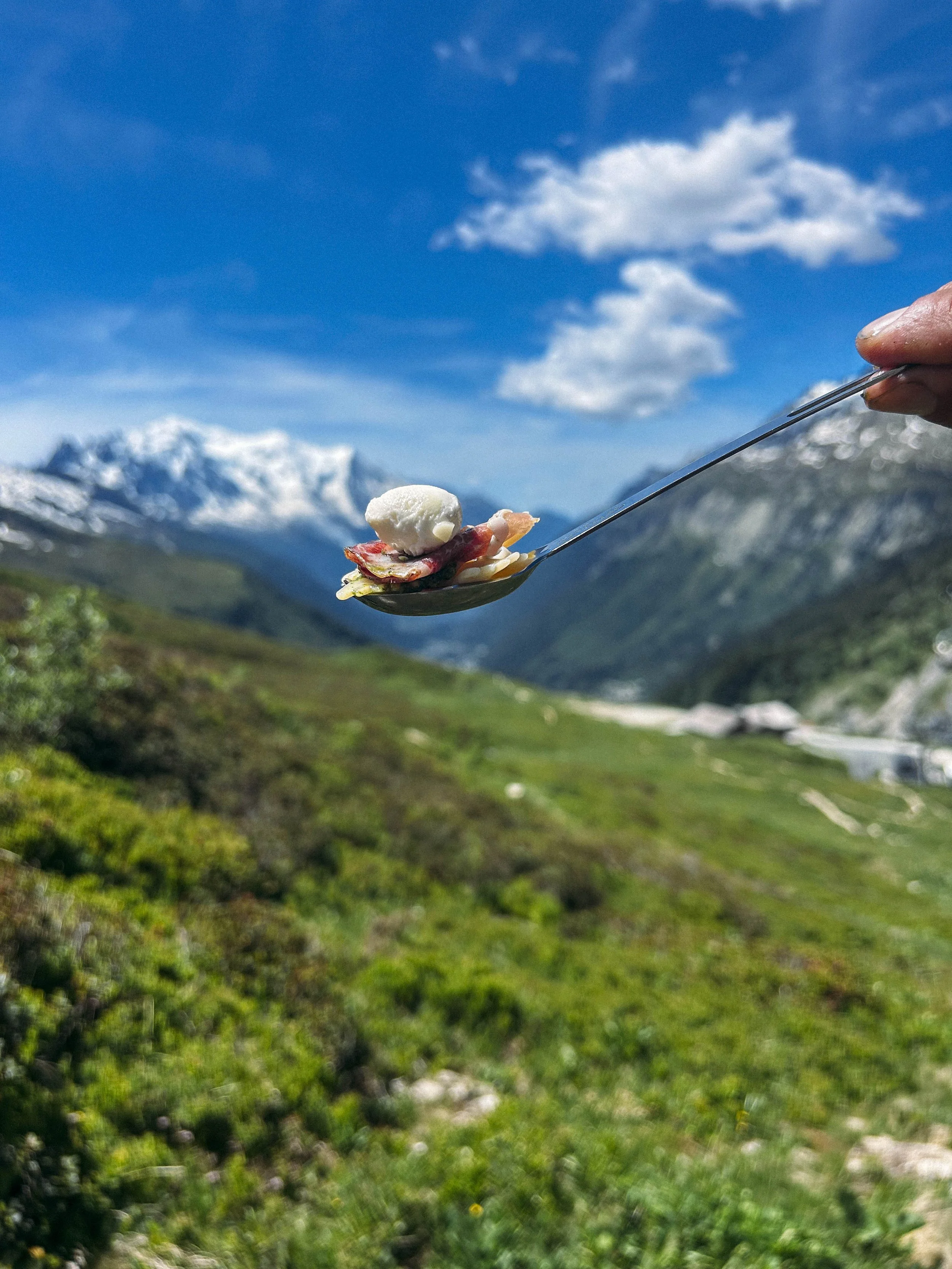
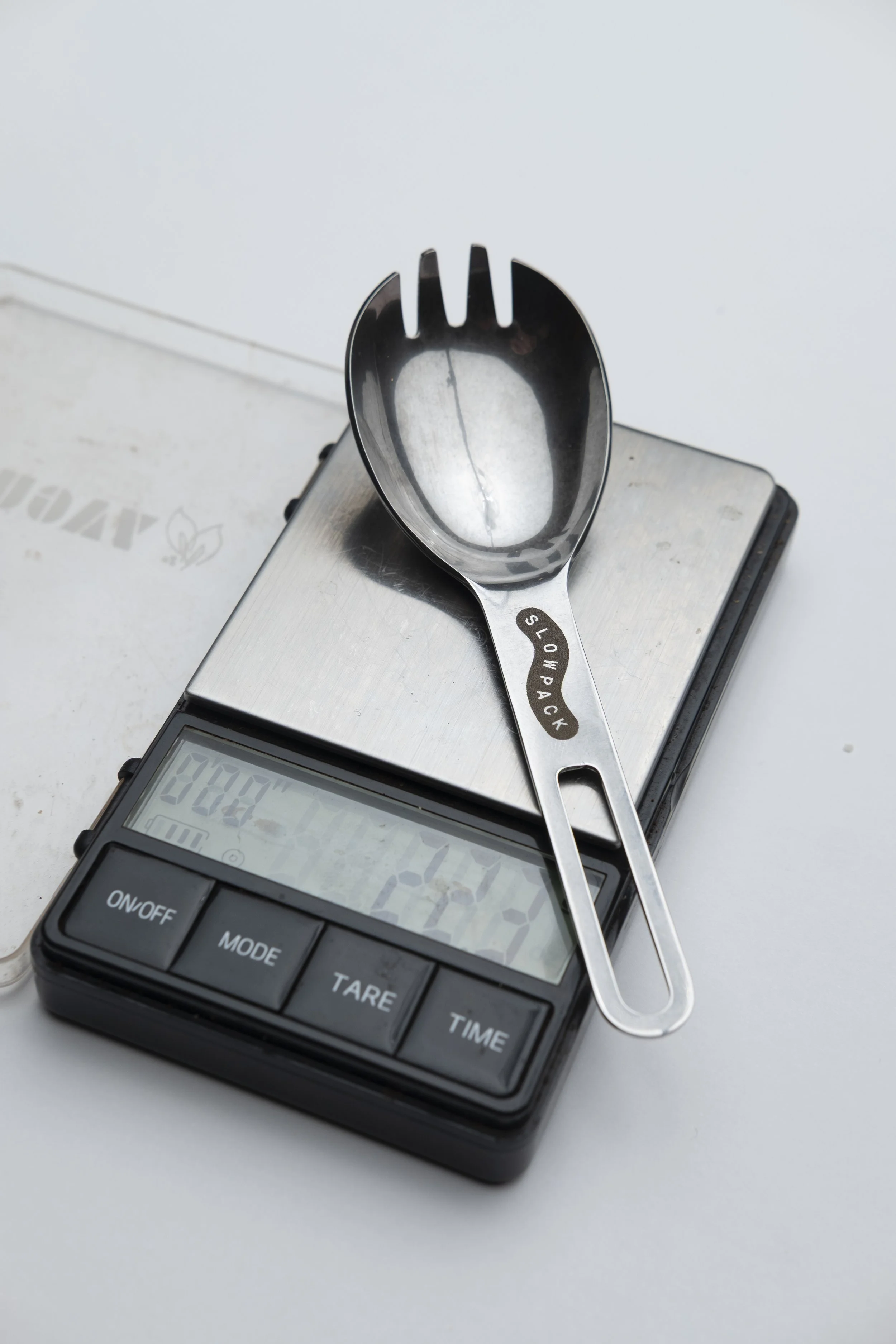
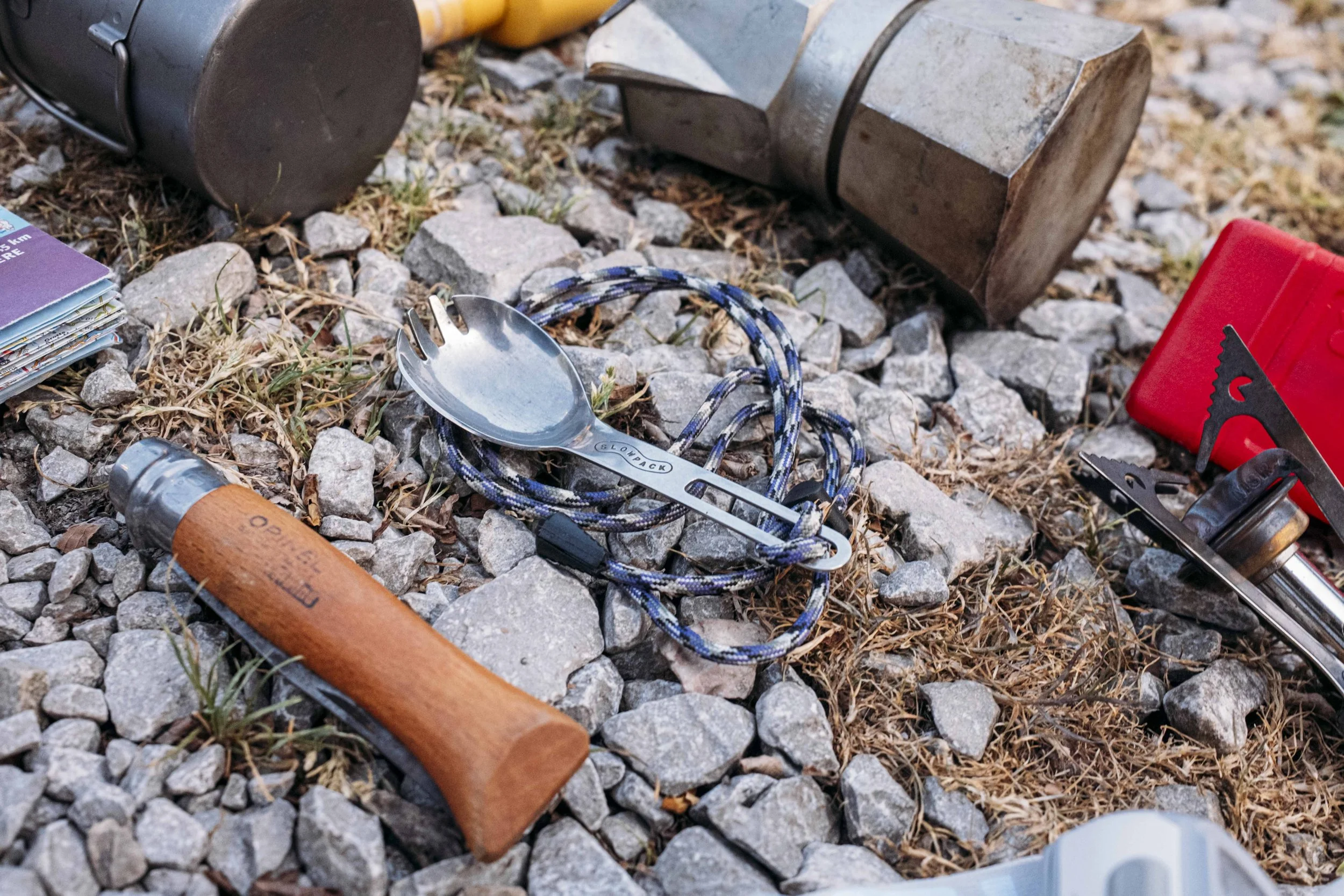
Above L-R: The 'Mini' prototype on test in Manang, Nepal. Polished and stamped 'Classic' spork on test in Chamonix, France. Titaniu-who? Steel is real.
Often, you don’t know you need a spork until it’s too late. One day you’ll find yourself using the pastry heel of a slice of quiche to eat noodles or cutting camembert with a credit card.
There’s something about bringing your own utensil that changes the nature of what you’re doing. It’s not a spin or a stride, a leg stretch or a dash; if you’re taking a spork, it’s an adventure. You’re probably going far, rather than fast.
For the founders of Slowpack, the spork is something more than an eating implement. Slowpack is run by Stefan Amato and Luke Douglas, two of the creators of the Peak Divide, the shuffle-centric trail run journey between Manchester and Sheffield completed over two days in April, which has roots in multi-day bikepacking.
The pair have a long history in the outdoors.
“I’ve worked in adventure cycling since 2011,” Amato says. “Creating, guiding and hosting the finest of folk on bikepacking tours all over, moving slowly but surely, taking our time - the kind of experience where moments sitting around a table or a stove in the wild together are as important as the number of kilometres we covered.”
Douglas, too, has form for these kinds of shenanigans.
“I’ve observed through working in the outdoor world, even at one point building my own outdoor food brand, how attached we become to certain products are ever present in our outdoor experiences. They become symbols of personal identity and elevate to almost iconic status; part of the culture. They’re rarely fancy either, it’s often the most functional items that become part of habit and ritual.”
To hear Douglas explain it, "If you take both of our backgrounds, the transition into exploring the essential carry side of slow travel, and making something in Sheffield, was almost inevitable."
In Craftland, a book by James Fox charting the journey of Britain's lost arts and vanishing trades, a chapter called Steel City refers to Sheffield as a "metalworking mecca" since at least the Middle Ages. The settlement owed much to its natural resources: "vast deposits of iron ore, limestone, coal and firewood, all of them critical to smelting. Its valleys gushed with steep-falling streams fuelled by Yorkshire's plentiful rain, each powering a string of mighty machines.
"Sheffield contributed to every major breakthrough in the history of metal production, from crucible steel in the eighteenth century to stainless in the twentieth ... used by millions of people all over the globe every day, the phrase 'Made in Sheffield' was almost as ubiquitous as 'Made in China' is today."
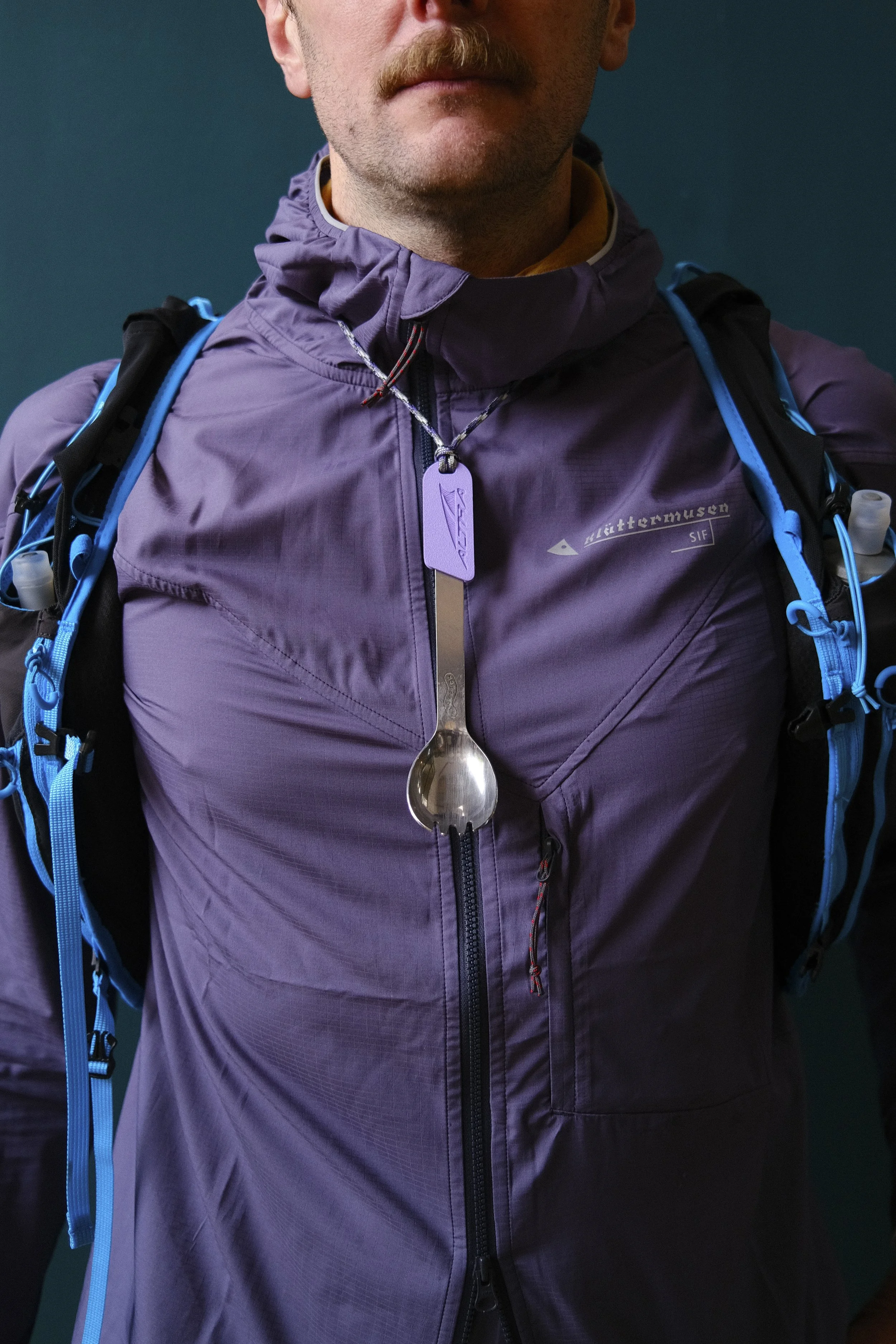
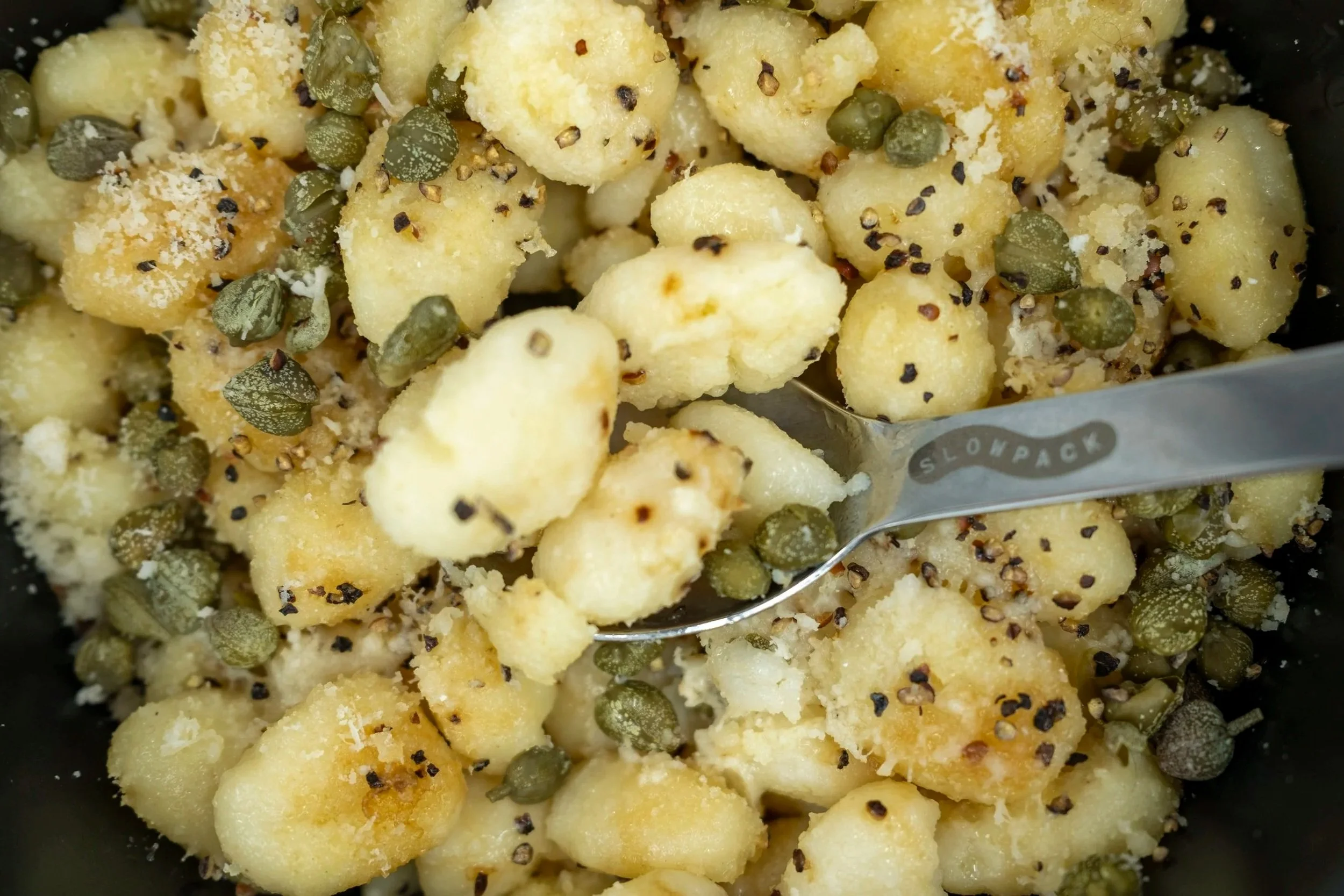
Above L-R: Sporks are part of the mandatory carry list at Peak Divide, known for it's Gnocchi fuelled feed stops. BYO spork for an extra helping.
Time for a rest.
You could argue that the best bit of any outdoor adventure is the pauses. The lulls in the action, the chances to chat, or the moments of wonder that halt you in your tracks.
You can see this idea in the way Slowpack hosts events. The breaks are a huge part of the experience. Not just because they lay on steaming pots of gnocchi in tomato sauce, what they are coining 'trailmisu', and shots of the pseudo- Caribbean coconut liqueur, Malibu, at the top of Kinder Scout. No, the stops are an opportunity to connect with other runners, as well as reflect on what you’ve achieved.
Also, you get to use the spork you’ve been carrying since Manchester to shovel down some tasty pasta. “The spork is the ultimate symbol of slow,” adds Amato. “Having one in your bag sets you up for what is, to us at least, the right kind of adventure.
I’ll never forget the sinking feeling of realisation that I’d left my spork behind after a brekky stop on Ton Pass (4,050m) in Kyrgyzstan, on Silk Road Mountain Race. The humble spork represents more – a physical, morale and social boost on any trip... and can even take the role of emergency tent peg in times of need”.
Sporks are part of the mandatory carry list at Peak Divide.
Dirty old town.
For some, especially those who grew up in the north of England, the connection between Sheffield and stainless steel is obvious. A fact of life. It’s why the nickname ‘Steel city’ persists, despite the actual number of makers using the material in the city dwindling to a fraction of what it once was.
Walk through Sheffield today and you get no sense that this is a heartland of manufacturing. It’s a modern, cosmopolitan city full of university students, indie coffee shops and a statistically interesting preponderance of trees. It is hard to imagine the pollution from industry was at one time so pervasive that the town became known as ‘Black Sheffield’.
These days the city council is keen to push a new moniker, ‘the outdoor city’, because of all its lush green spaces and proximity to the Peak District National Park.
Stainless steel was developed in Sheffield in 1913 by a man called Harry Brearley. It was created as a solution to excessive wear on gun barrels, but realised its true commercial potential when it was used to make cutlery. Sheffield stainless was a brand that transcended a single producer; a literal hallmark of quality recognised and prized the world over.
And as residents of the Peak District National Park, both founders had a strong connection to the city. “I studied industrial design, then landed in the Peak District,” says Douglas. “That proximity was the opportunity: make this product locally, by hand, by people with more expertise than anywhere else – who’d just never happened to make this particular utensil.”
Aside from the romance of making cutlery in Sheffield, there’s a wonderful tactility to steel. A sense of past and patina. Pioneered to erode less quickly, it nevertheless acquires a burnished effect over time – particularly if you don’t polish it. The stories of your various sorties will build up down the years. The functional object becoming a vessel for memory.
And yes, steel is heavier than titanium. Outdoor marketing can be guilty of obsessing over details that matter mostly to the pros. Whether your spork weighs three grams or eight really doesn’t matter in the grand scheme. What matters is you’re out there on the hill, eating cold beans directly out of the tin.
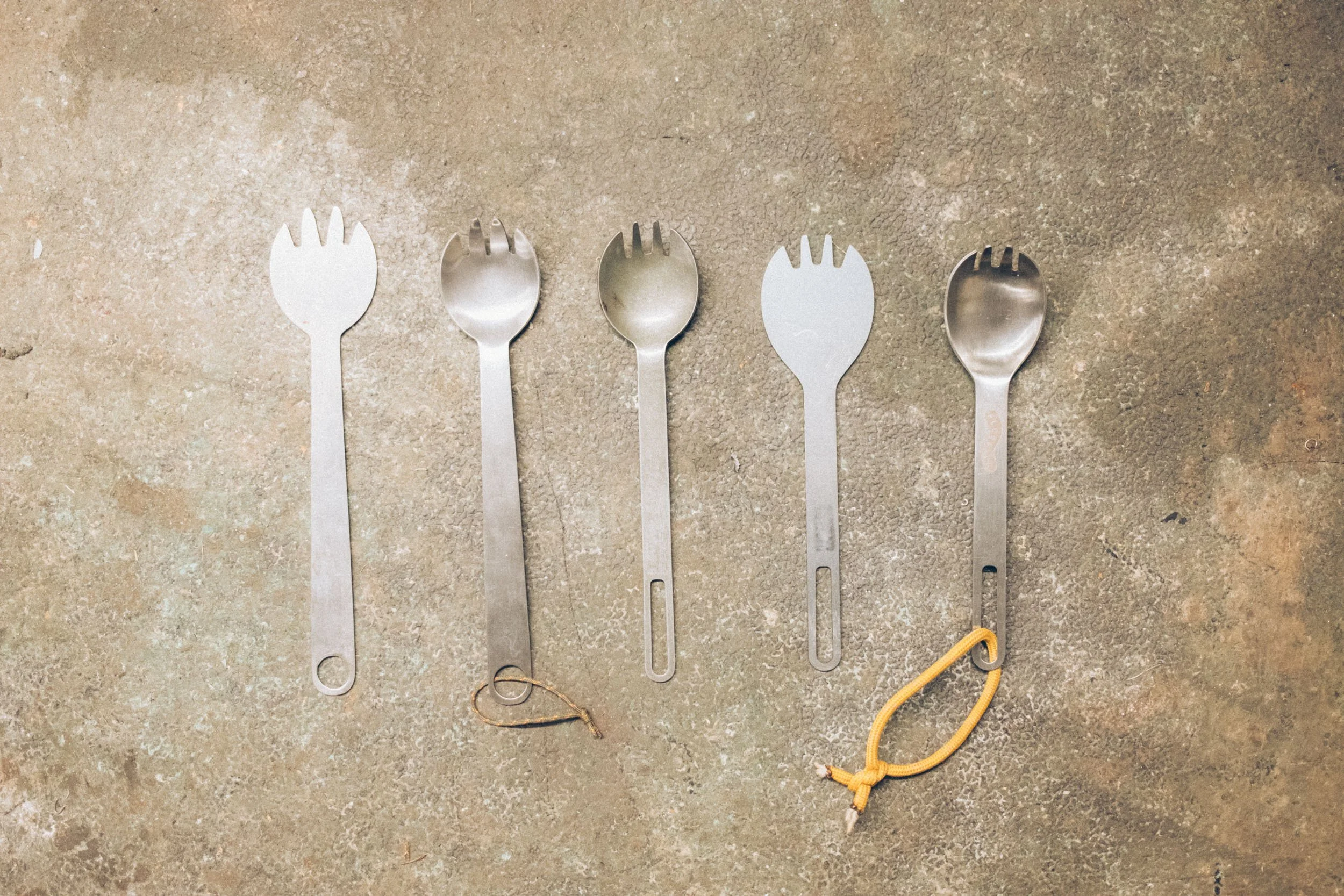
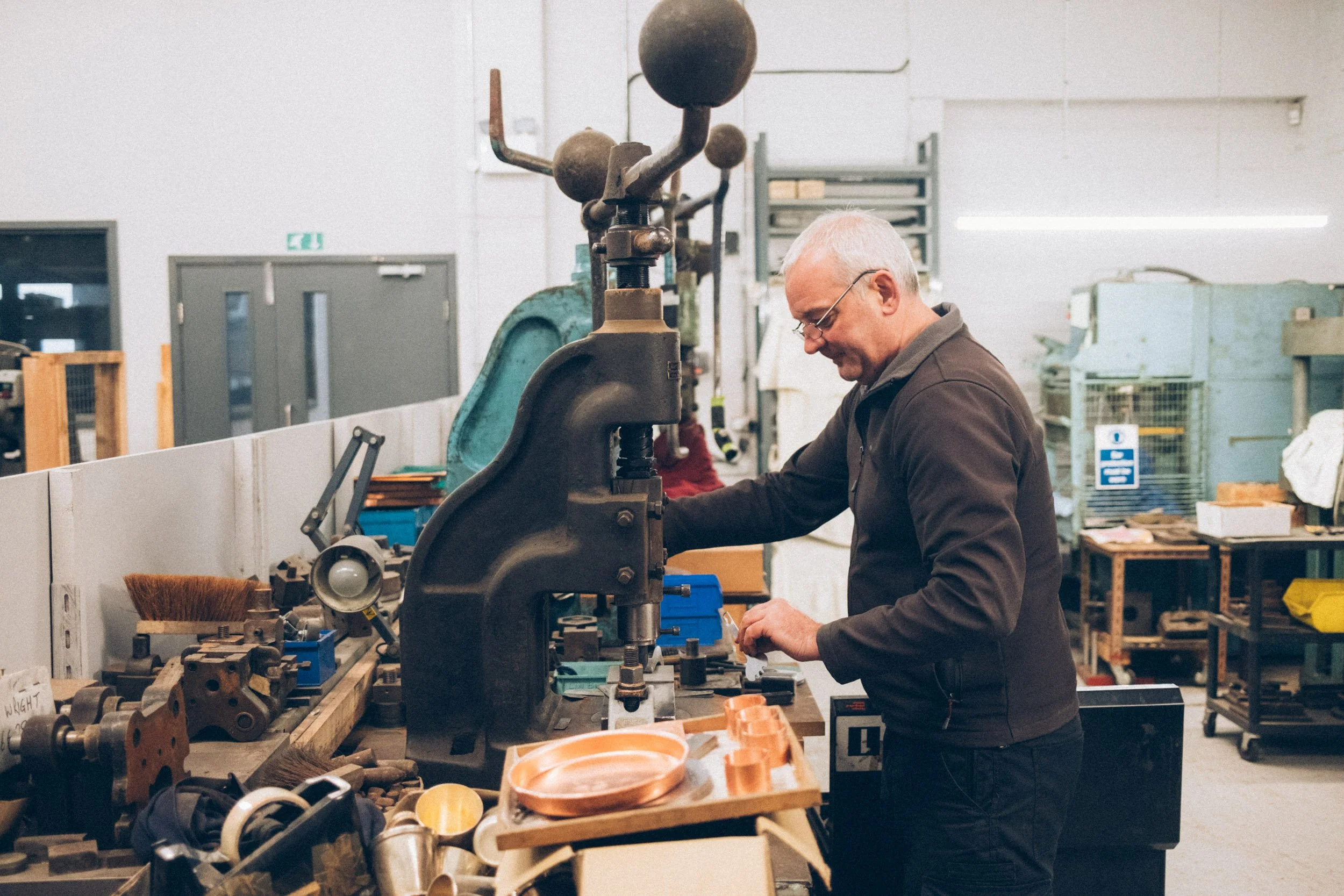
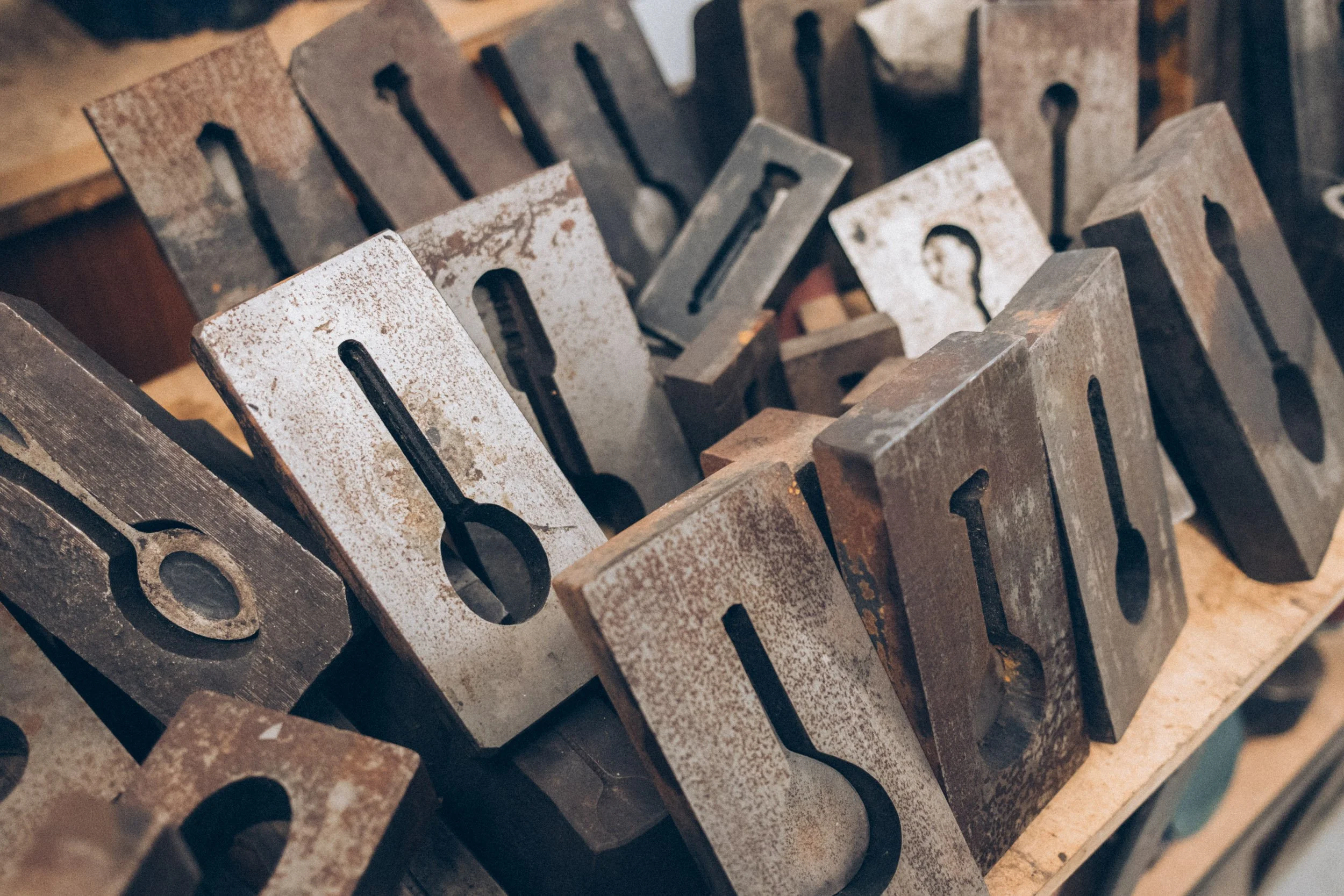
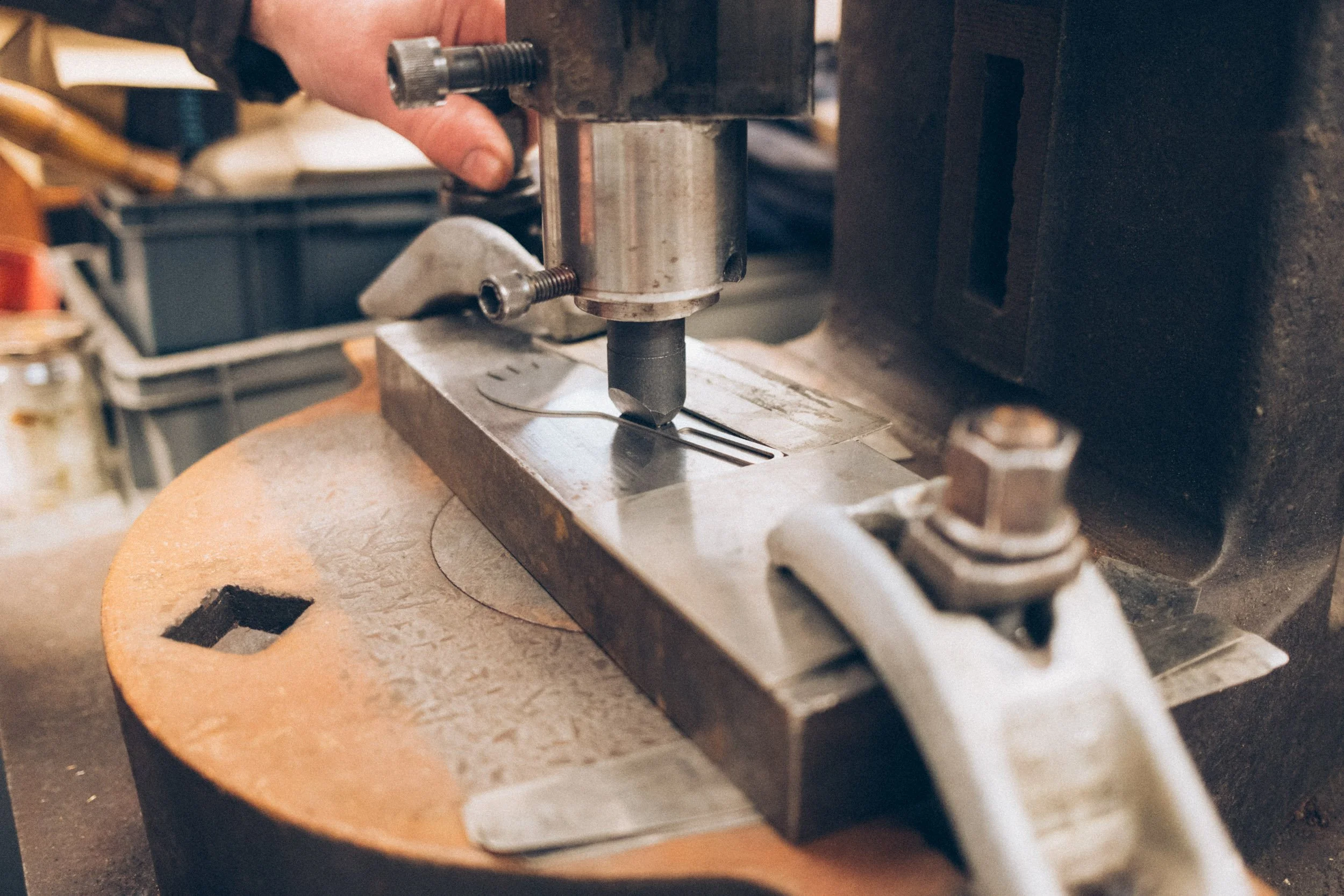
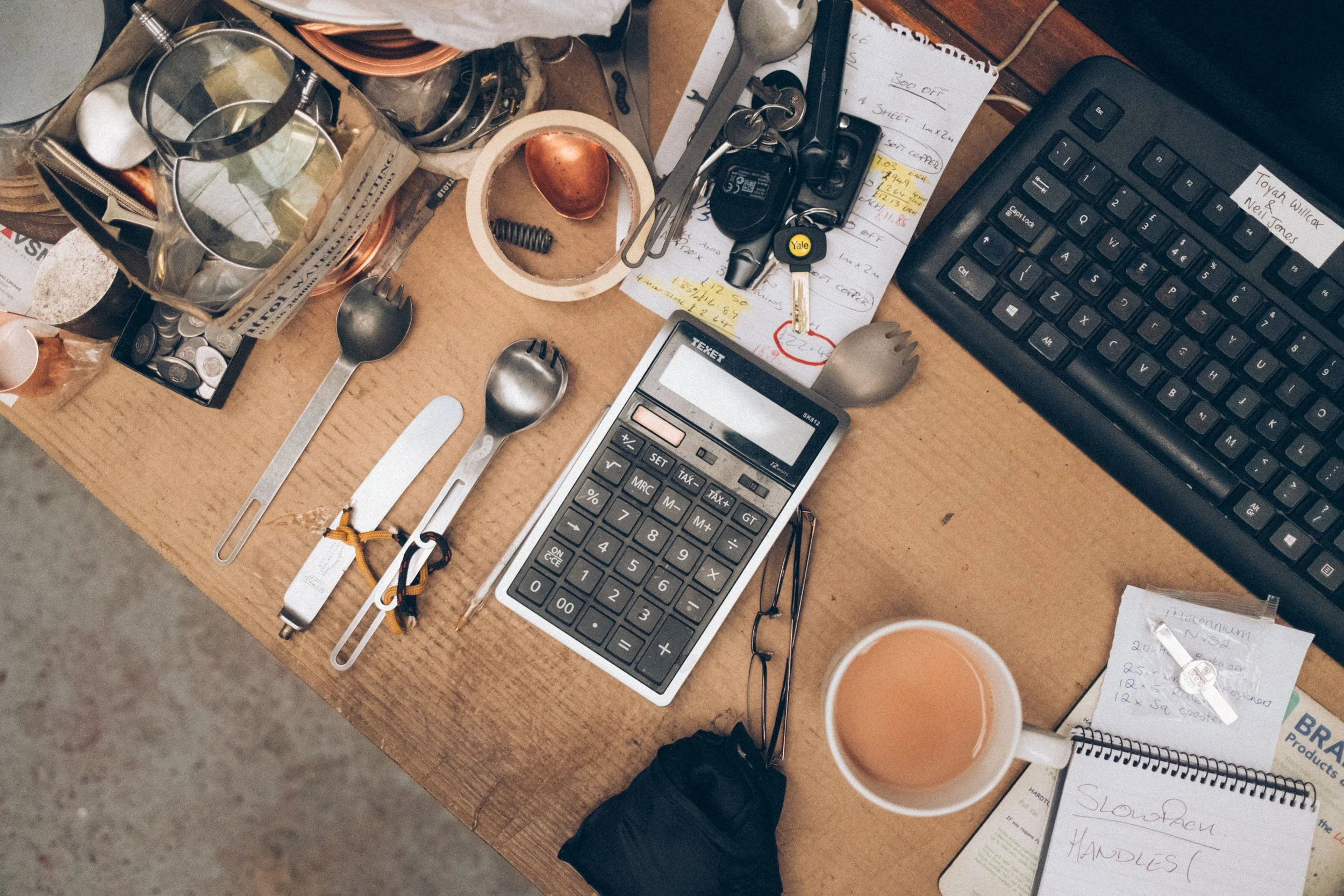
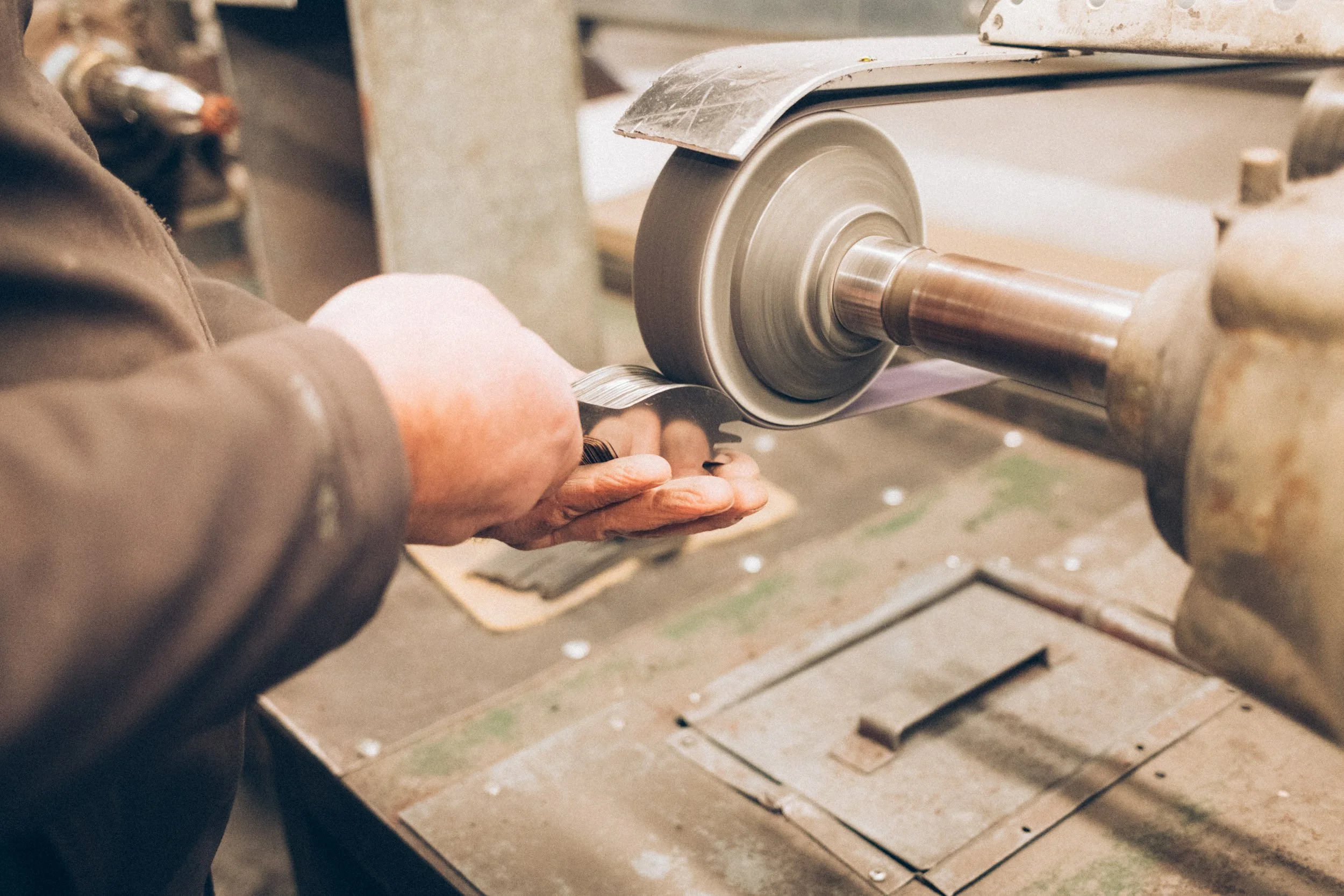
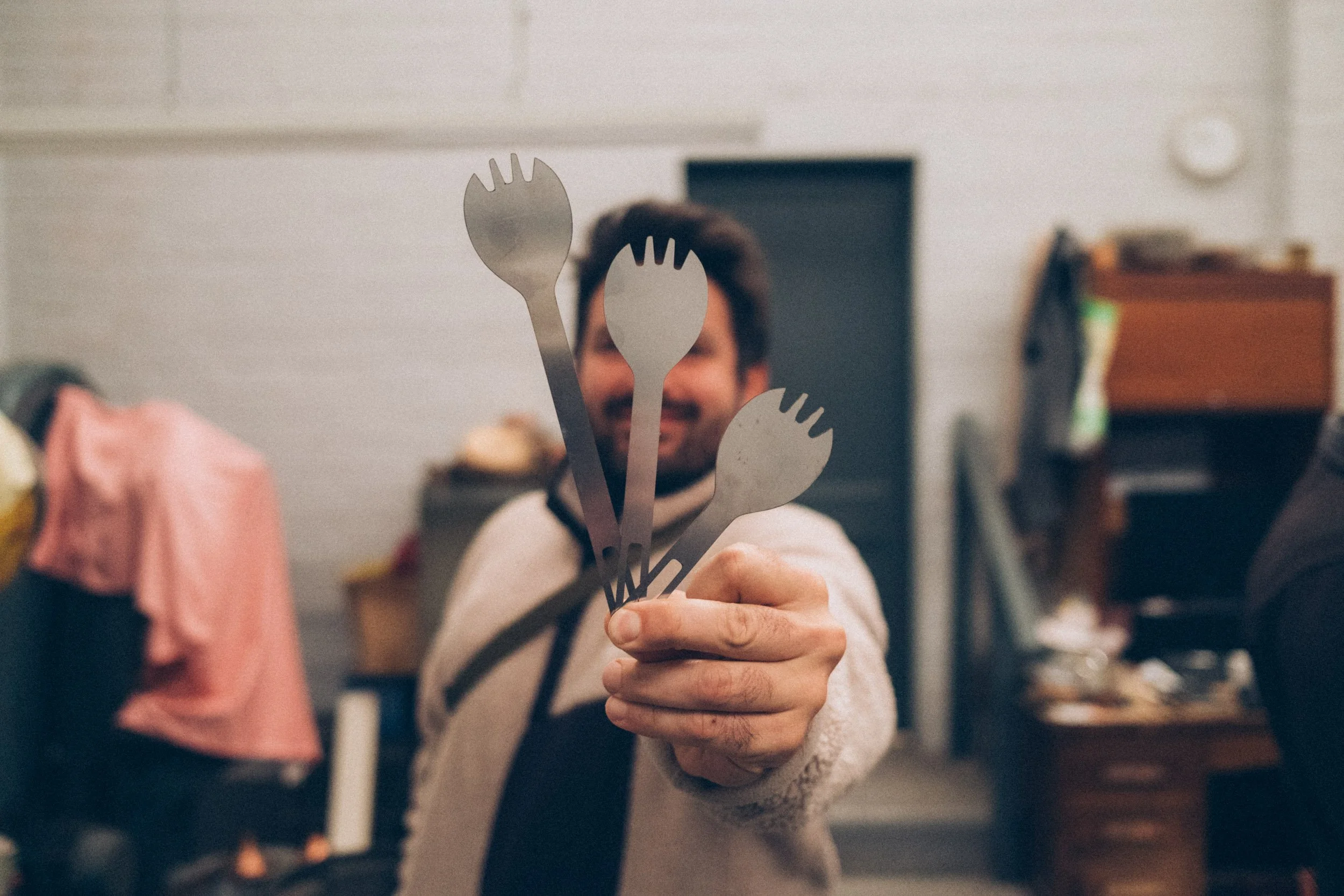
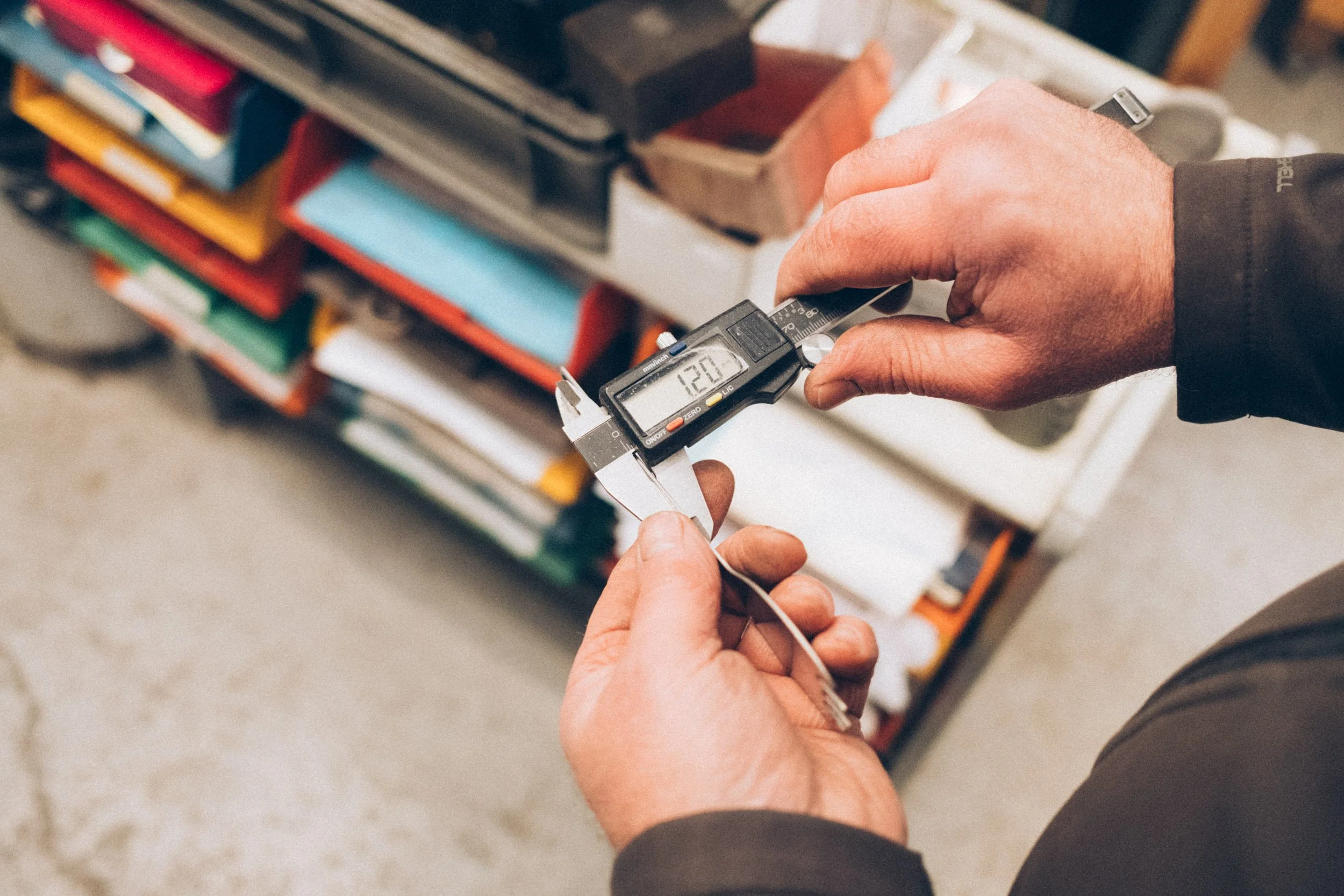
Above: Handmade in Sheffield in small batches.
How it’s made.
Handmaking stainless steel still takes time. Slowpack went through a fair few prototypes.
“It took six or seven iterations to get here,” says Douglas. “The first one didn’t really hold any liquid, so it failed at being a spoon before it got anywhere near being a fork. The iteration we have now is a genuinely beautiful, functional balance of fork and spoon. One spork to rule them all.
Once you’re past the prototyping stage, how are they actually made? First the steel is cut into roughly spork-like shapes from a larger sheet. Next, the Slowpack and Stainless Sheffield stamps are applied. The piece is filed along the edges, then buffed to smooth out file marks, scratches and rough edges left by the previous steps. The part where it goes from a flat piece of steel to concave spoony shape is known as ‘bowling’, after which it is hardened and rumble polished.
Slowpack sporks are then hand-finished, polished and sent out to the Peak where Slowpack’s studio is based. You can even opt to pick one up directly if you’re headed that way for a run or ride. “The creative challenge was making small batches without sinking a fortune into it upfront,” says Douglas. “Rather than commission an expensive new mould straight away, we worked with the manufacturer in Sheffield to adapt existing tooling – working out what processes we could bend to make this specific product. We could get 48 sporks out of each sheet of steel they had access to. It kept the handmade feel – no two are quite the same.”
This article was written for issue 04 of New Mountain Magazine newmountainmag.com